Current Research Projects
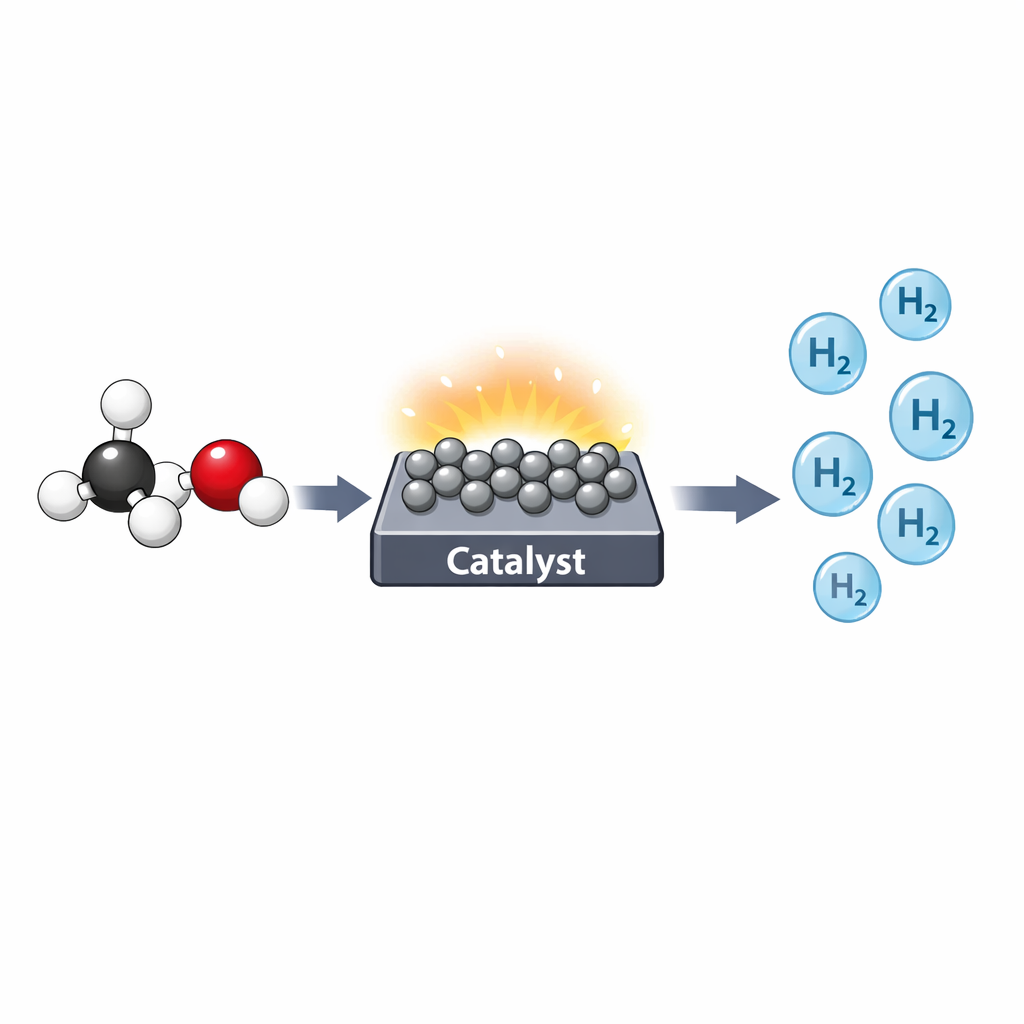
Steam Reforming and Related Chemistry
Our group investigates fundamental aspects of catalytic reforming reactions relevant to hydrogen production and energy conversion. Current efforts emphasize establishing relationships between catalyst structure, active-site identity, and elementary reaction pathways, with the goal of clarifying how catalyst composition and local environment influence activity, selectivity, and stability under reforming conditions. These studies integrate kinetic measurements, materials characterization, and mechanistic analysis to build transferable insight across reforming systems.
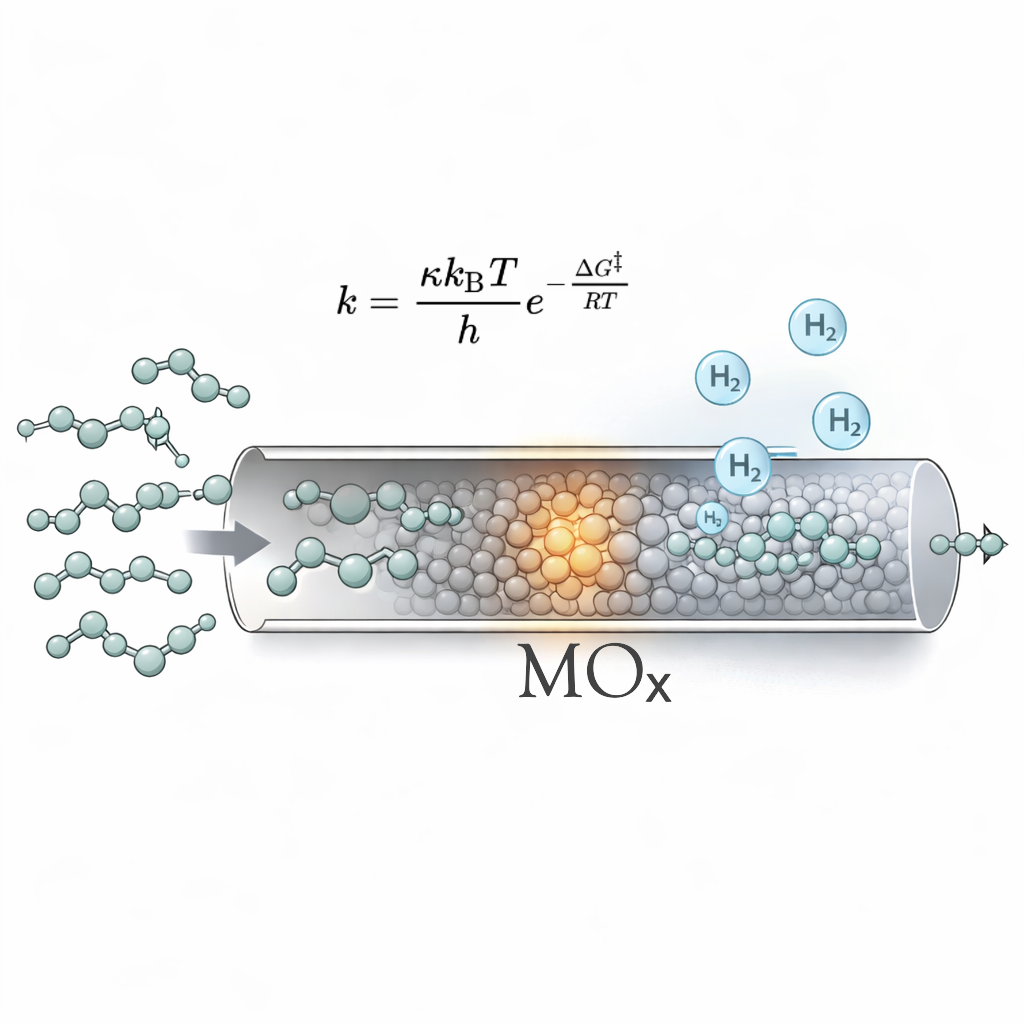 Oxide-Based Dehydrogenation Catalysis
We study dehydrogenation reactions on oxide and mixed-metal catalysts, focusing on how surface structure, coordination environment, and electronic properties govern C–H and O–H bond activation. By combining tailored catalyst synthesis, kinetic interrogation, and first-principles calculations, this work seeks to identify general structure–function relationships that control hydrogen abstraction pathways and product distributions.
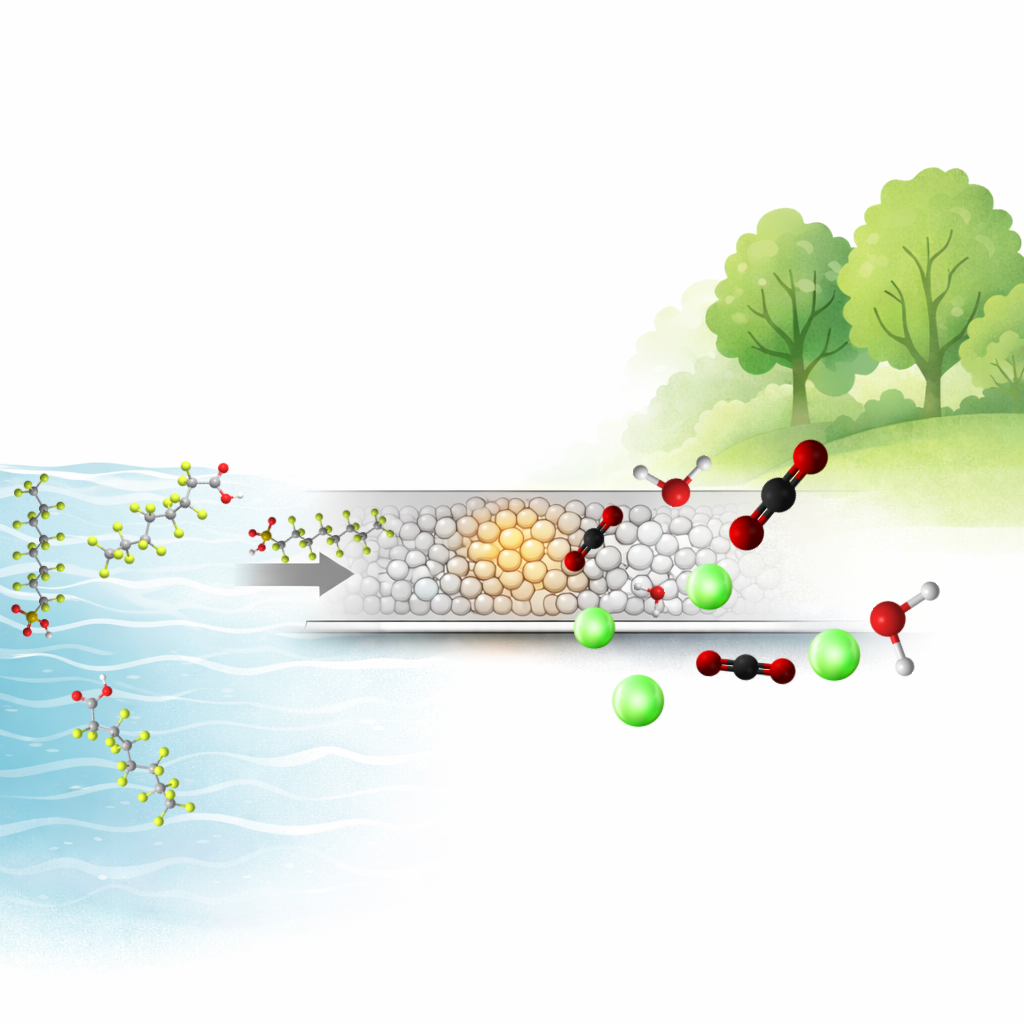
Catalytic Mineralization of PFAS
Emerging work in the group explores catalytic strategies for the degradation and mineralization of per- and polyfluoroalkyl substances (PFAS). This research targets fundamental questions surrounding C–F bond activation, surface-mediated oxidation pathways, and catalyst stability under aggressive reaction environments. The long-term objective is to establish mechanistic principles that can inform the rational design of catalysts for persistent contaminant destruction.
Research Support
We gratefully acknowledges support from:
University of New Mexico School of Engineering Startup
Center for Advanced Research Computing (CARC)
Precision Combustion Inc., supported by U.S. Department of Defense SBIR/STTR funding
NM-INSPIRES, supported by a P30 Core Center grant from the National Institute of Environmental Health Sciences (NIEHS), National Institutes of Health